SIMULATIONS
TriRaptor Structural Analysis | Supersonic Airfoil Analysis
Airfoil with Rotating Cylinders
Project Overview
One of the most interesting facts in aerodynamics is that the lift generated by an airfoil can be increased by adding rotating cylinders. In this CFD study, I conducted two simulation cases using Ansys software for an airfoil with cylinders placed at the bottom: one with the cylinder rotating and another with the cylinder fixed. The rotating-cylinder case produced a lift-to-drag ratio approximately 11 times higher than that of the fixed case.
Thermal Analysis of a 1U CubeSat
Project Overview
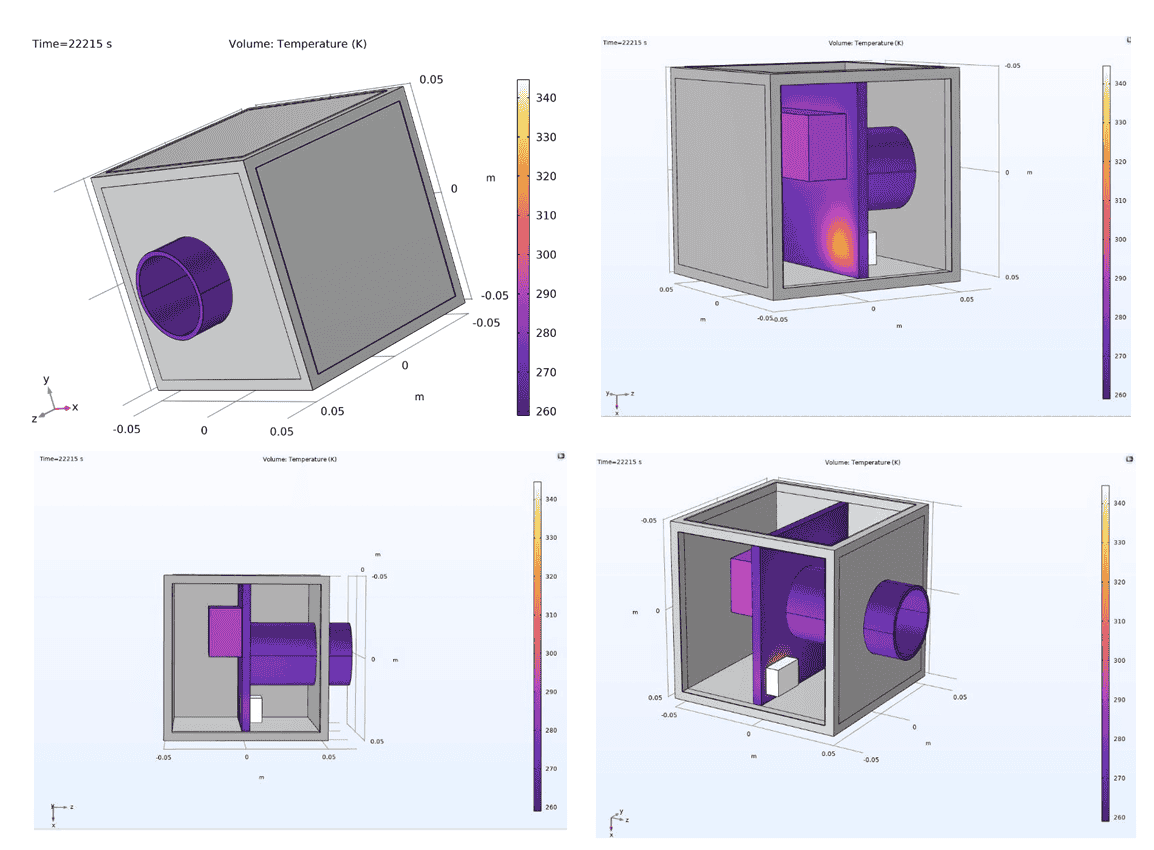
In this simulation, I conducted a comprehensive numerical analysis of the thermal behavior of a 1U CubeSat in a 400 km circular orbit using COMSOL Multiphysics, focusing on spacecraft thermal management under varying orbital conditions. The simulation couples orbital thermal loads, including direct solar radiation, albedo, and Earth infrared emissions, with heat transfer in solids to predict the satellite’s temperature distribution over multiple orbital periods.
Simulated Mesh Variations
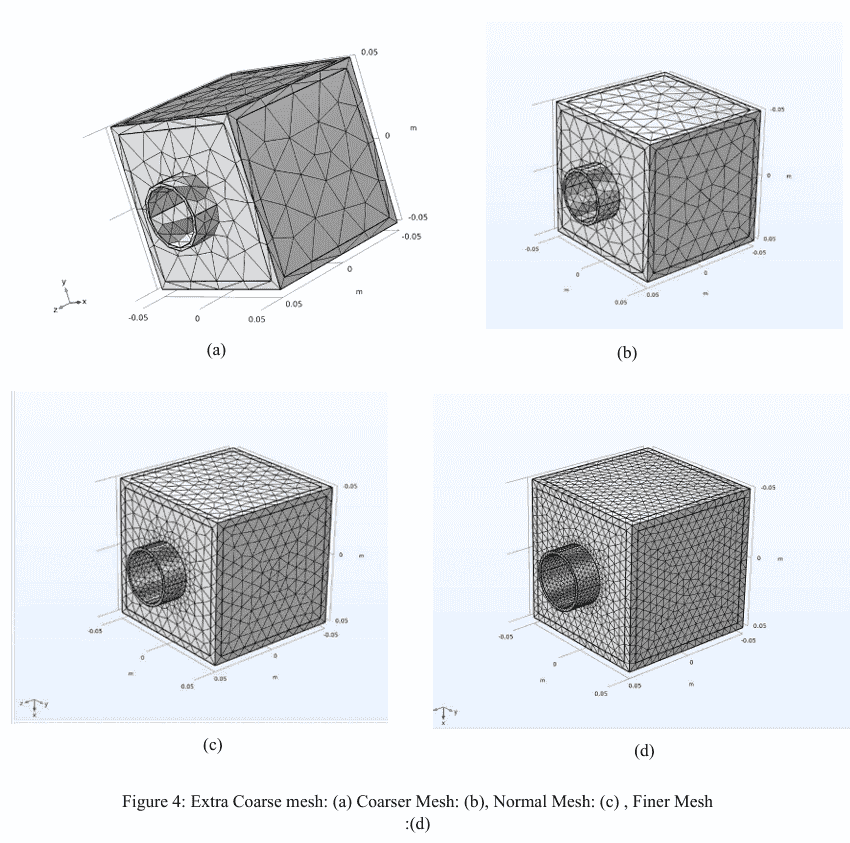
Different mesh sizes were simulated to compare results and achieve the highest possible accuracy.
Temperature Contours
TriRaptor Structural Analysis
Project Overview
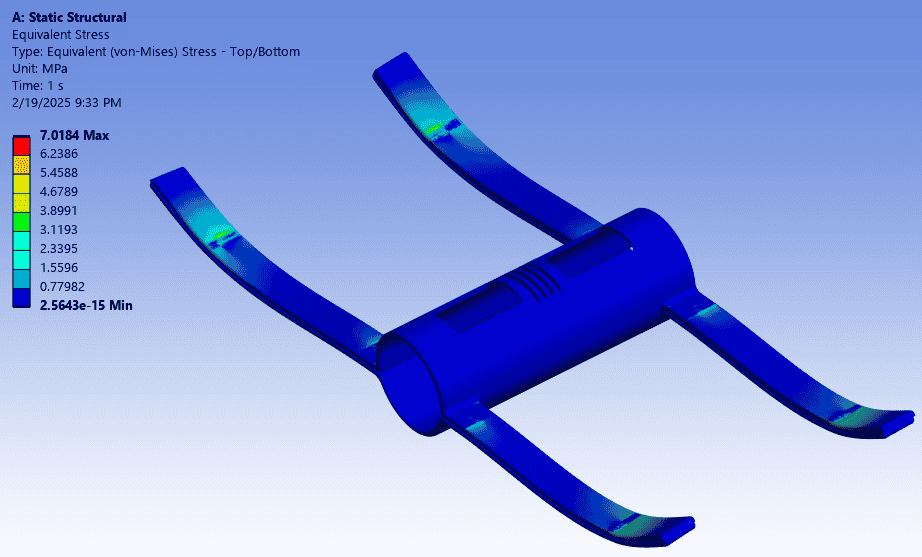
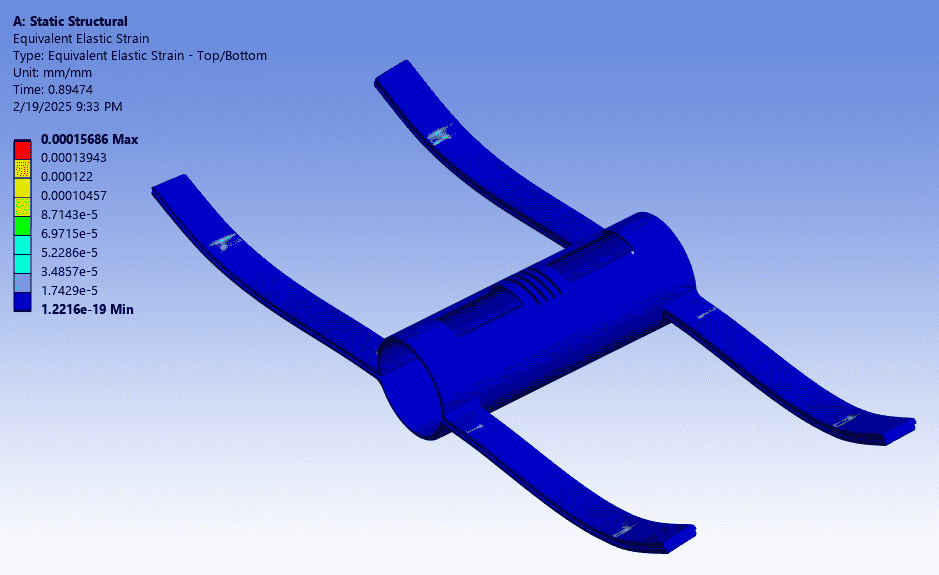
This analysis was conducted specifically for the TriRaptor project and provided significant insight into the structural behavior of my initial material (PLA) and its potential failure if used . Based on these findings, I developed an alternative strategy to enhance structural strength by using another material (PETG) and incorporating a carbon fiber rod bonded with epoxy within a sandwich structure.
Modified Sandwich Structure
Stress Contours
Strain Contours
Supersonic Airfoil Analysis
Project Overview
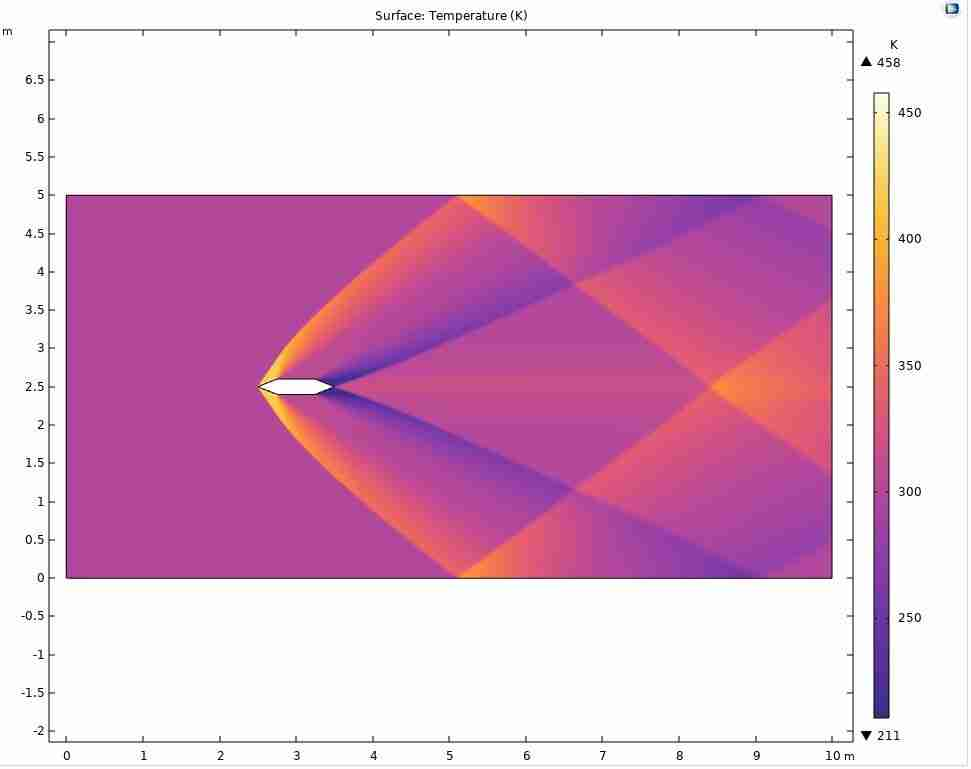
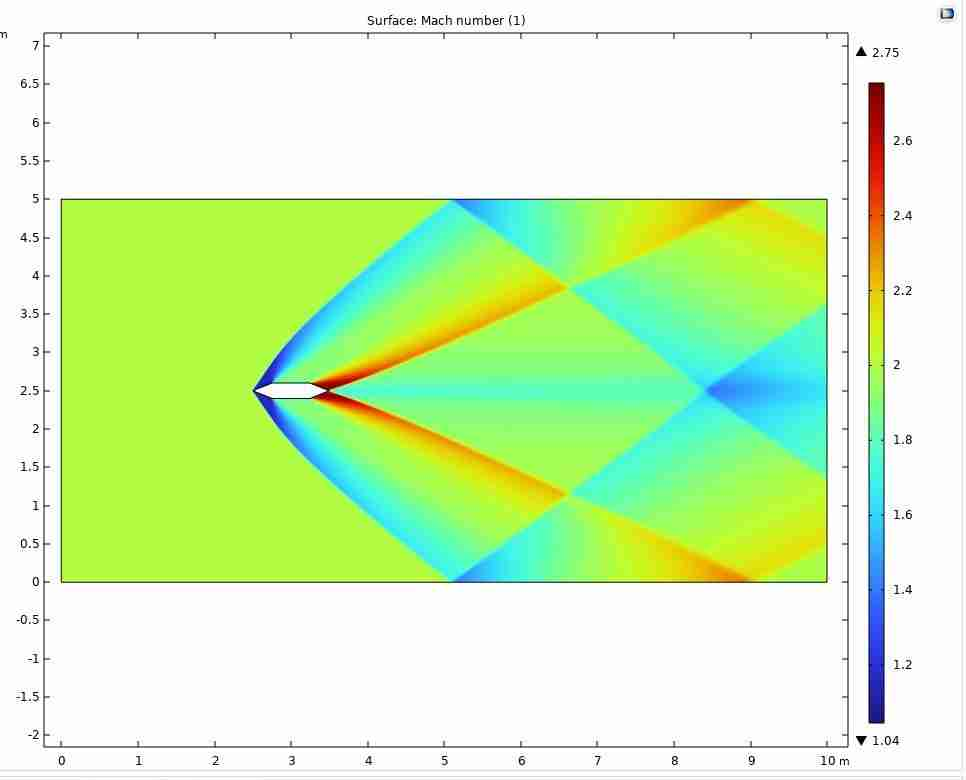
This simulation presents a computational fluid dynamics (CFD) study of high-speed airflow over a supersonic airfoil, investigating shock waves and expansion fans. The simulation is conducted using COMSOL Multiphysics, analyzing velocity, pressure, temperature, Mach number, and isothermal contours.
Mach Number Contours
Temperatur Contours